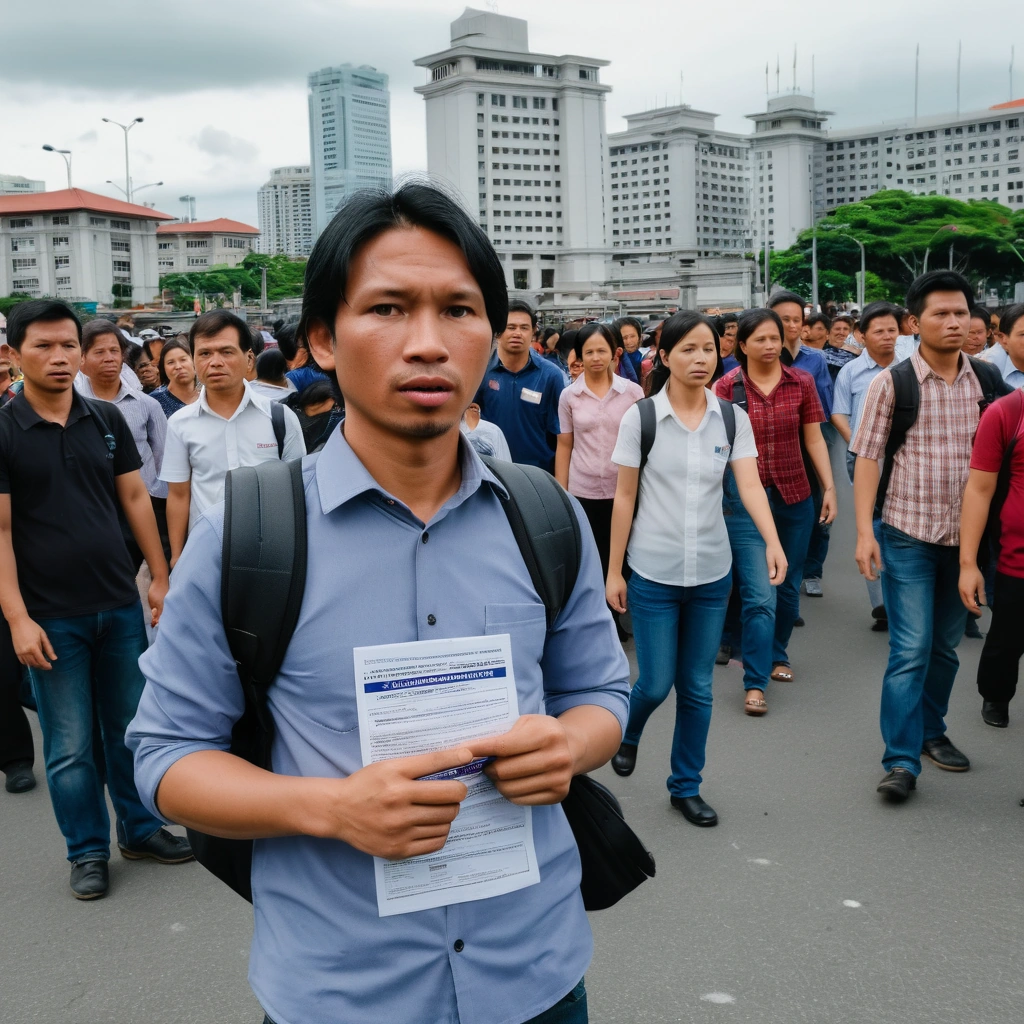
Complete Documentary Requirements for Filipino Migrant Workers and Immigrants Worldwide: Navigating International Documentation Systems Across Major Destination Countries
The global landscape of migration documentation requirements for Filipino workers and immigrants presents a complex web of country-specific regulations, bilateral agreements, and evolving international standards that collectively determine access to overseas employment and permanent settlement opportunities. Understanding these diverse requirements across major destination countries enables strategic planning that maximizes opportunities while ensuring comprehensive compliance with immigration, employment, and settlement regulations that protect both migrants and receiving communities.
Modern migration documentation systems reflect sophisticated security concerns, economic protection measures, and integration policies that vary significantly among destination countries based on their specific labor market needs, security priorities, and social integration philosophies. These variations create opportunities for Filipino migrants who understand how to navigate different systems while presenting challenges for those unprepared for the complexity and specificity of international documentation requirements.
The evolution of global migration policies increasingly emphasizes skills-based selection, comprehensive background verification, and systematic integration support that rewards prepared applicants while creating barriers for those lacking proper documentation or preparation. Success in international migration therefore depends not only on meeting basic requirements but also on understanding how to present qualifications effectively within different national frameworks that evaluate migrant applications according to their specific criteria and priorities.
North American Migration Documentation Requirements
Canada’s immigration system represents one of the most comprehensive and points-based approaches to migrant selection, requiring extensive documentation that demonstrates language proficiency, educational achievement, work experience, financial capacity, and integration potential. The Express Entry system for skilled workers demands authenticated educational credentials, standardized language test results, comprehensive work experience documentation, and detailed personal history verification that collectively determine eligibility for permanent residence.
Provincial Nominee Programs across Canadian provinces add additional documentation layers that may include job offers, provincial certification, community ties verification, and settlement planning documentation that demonstrate specific provincial integration potential. These programs often require documentation that proves connection to particular provinces, understanding of local labor markets, and commitment to permanent settlement in specific regions rather than simply using provinces as entry points to other parts of Canada.
The United States employment-based immigration system requires extensive employer sponsorship documentation, labor certification procedures, and comprehensive background verification that can span multiple years and involve numerous government agencies. Temporary work visa categories each have specific documentation requirements ranging from specialized occupation verification for H-1B visas to extraordinary ability demonstration for O-1 visas, requiring strategic documentation preparation that aligns with specific visa category criteria.
Mexican migration documentation for Filipino workers typically involves temporary residence permits, work authorization procedures, and eventual permanent residence pathways that require proof of employment, financial stability, and integration commitment. Mexico’s growing economy and proximity to North American markets make it an increasingly attractive destination for Filipino professionals seeking North American opportunities with potentially less stringent entry requirements than direct United States or Canadian immigration.
European Union Documentation Frameworks
The European Union’s complex migration framework involves both EU-wide regulations and individual member state requirements that create multiple pathways for Filipino migrants depending on their qualifications, intended destinations, and long-term goals. The EU Blue Card system for highly skilled workers requires university-level education verification, employment contract documentation, and salary threshold compliance that varies among member states while providing eventual mobility throughout the European Union.
Germany’s skilled worker immigration law requires comprehensive professional qualification recognition, German language proficiency documentation, and employment verification that demonstrates labor market integration potential. The recognition of foreign qualifications process can be extensive, requiring detailed documentation of educational credentials, professional experience, and ongoing competency that meets German professional standards in regulated fields.
United Kingdom post-Brexit immigration systems have introduced points-based criteria that require comprehensive English language documentation, educational credential verification, and skilled occupation confirmation through approved employer sponsorship. The complexity of UK immigration documentation has increased significantly, requiring strategic planning and comprehensive preparation that addresses multiple verification systems and approval stages.
Netherlands skilled migrant programs require employer sponsorship, salary threshold documentation, and comprehensive integration planning that demonstrates long-term settlement potential. The Dutch approach emphasizes employer integration responsibility while requiring migrants to demonstrate financial independence and social integration capacity through detailed documentation and planning processes.
Middle Eastern Employment Documentation
United Arab Emirates employment documentation requirements vary significantly between different emirates and employment sectors, with Dubai and Abu Dhabi maintaining sophisticated systems for professional workers while other emirates may have more streamlined requirements for specific industries. Professional licensing, educational credential verification, and health certification requirements can be extensive, particularly for regulated professions such as healthcare, engineering, and education.
Saudi Arabia’s Vision 2030 economic diversification has created new documentation pathways for skilled Filipino workers, including streamlined professional visa categories and family reunification opportunities that require comprehensive documentation of professional qualifications, family relationships, and financial capacity. The Saudi system increasingly emphasizes long-term settlement potential and professional contribution to economic diversification goals.
Qatar’s employment documentation systems, developed extensively for World Cup infrastructure projects, now provide frameworks for ongoing professional migration that require detailed employment verification, housing arrangements, and sponsor relationships that ensure worker protection while meeting Qatar’s economic development needs. Understanding sponsor responsibilities and worker rights documentation becomes crucial for successful Qatar employment.
Kuwait and other Gulf Cooperation Council countries maintain traditional sponsorship systems that require extensive employer documentation, government approvals, and ongoing sponsor relationship management that affects worker mobility and rights throughout employment periods. These systems require careful documentation of sponsor relationships and employment terms that protect worker interests while ensuring compliance with local regulations.
Asia-Pacific Migration Opportunities
Australia’s skilled migration program requires comprehensive points assessment documentation that includes professional skills assessment, English language testing, and detailed work experience verification that demonstrates contribution potential to Australian economic development. State nomination programs add additional documentation requirements that prove connection to specific Australian states and commitment to regional settlement rather than concentration in major metropolitan areas.
New Zealand’s skilled migrant category emphasizes documentation that demonstrates integration potential, including job offers, community connections, and settlement planning that shows commitment to New Zealand society and economy. The points-based system rewards comprehensive preparation and strategic qualification presentation that aligns with New Zealand’s specific skill shortage areas and regional development priorities.
Japan’s technical intern and skilled worker programs require extensive documentation of technical competency, Japanese language proficiency, and cultural integration preparation that demonstrates readiness for Japanese workplace culture and social integration. These programs increasingly emphasize long-term settlement potential and contribution to Japanese society addressing demographic challenges and economic development needs.
South Korea’s Employment Permit System requires comprehensive documentation of skills assessment, Korean language proficiency, and employment contract verification that ensures worker protection while meeting Korean labor market needs. The system includes extensive pre-departure training requirements and ongoing monitoring that requires systematic documentation of compliance and integration progress.
Professional Credential Recognition Systems
Healthcare professional migration requires extensive credential recognition documentation that may include professional examination completion, internship or residency documentation, and ongoing competency verification that meets destination country medical practice standards. These requirements often involve multiple stages of verification, examination, and supervised practice that can extend over several years while requiring continuous documentation of progress and compliance.
Engineering and technical professional recognition involves detailed credential assessment, professional experience verification, and sometimes additional examination or certification that demonstrates competency according to destination country technical standards. Professional engineering organizations in destination countries often maintain specific documentation requirements that must be met before professional recognition and employment authorization can be obtained.
Educational professional migration requires comprehensive teaching credential recognition, educational philosophy alignment, and often additional certification or training that demonstrates understanding of destination country educational systems and cultural approaches to education. These requirements may include classroom observation, mentorship programs, and ongoing professional development that requires systematic documentation and evaluation.
Financial and business professional recognition may involve professional certification verification, regulatory compliance documentation, and sometimes additional examination or training that demonstrates understanding of destination country financial systems, business law, and professional ethical standards. These requirements reflect the regulated nature of financial services and the importance of maintaining professional standards across international boundaries.
Health and Medical Documentation Requirements
Comprehensive medical examinations required for international migration typically include communicable disease testing, physical fitness assessment, mental health evaluation, and vaccination verification that meets destination country health protection standards. These examinations must be completed by approved medical facilities and physicians who understand specific destination country requirements and documentation standards.
Vaccination documentation requirements vary significantly among destination countries and may include routine immunizations, travel-specific vaccines, and sometimes specialized vaccination for particular regions or employment types. Maintaining comprehensive vaccination records and understanding destination country requirements prevents health-related entry delays while ensuring compliance with public health protection measures.
Health insurance documentation requirements may include proof of comprehensive coverage, specific coverage amounts, or particular insurance provider approval that meets destination country healthcare system requirements. Understanding these requirements and obtaining appropriate coverage prevents healthcare access problems while ensuring compliance with immigration health requirements.
Specialized medical documentation may be required for particular employment types, age groups, or health conditions that require additional verification or ongoing monitoring. These requirements reflect destination country healthcare system protection and may involve ongoing compliance documentation throughout residence or employment periods.
Financial and Economic Documentation
Financial capacity documentation requirements typically include bank statements, income verification, investment documentation, and sometimes sponsorship or support verification that demonstrates economic self-sufficiency and integration potential. These requirements vary significantly among destination countries and migration categories, requiring strategic financial planning and documentation preparation.
Employment contract documentation for migrant workers must meet destination country labor law requirements, wage standards, and worker protection regulations that ensure fair treatment while providing comprehensive employment verification. Understanding these requirements and ensuring contract compliance protects worker rights while satisfying immigration employment verification requirements.
Tax compliance documentation may be required from previous countries of residence, employment, or business operation that demonstrates legal compliance and financial responsibility. These requirements reflect destination country concerns about tax compliance and may affect ongoing tax obligations and compliance requirements in destination countries.
Investment and business documentation for entrepreneur or investor migration categories requires comprehensive business planning, financial verification, and sometimes market analysis that demonstrates economic contribution potential and business viability. These requirements often involve multiple verification stages and ongoing compliance monitoring throughout business establishment and operation periods.
Family and Dependent Documentation
Family relationship documentation requires comprehensive verification of marriage, parentage, adoption, or other family relationships through official certificates, legal documentation, and sometimes additional verification that meets destination country family reunification standards. These requirements reflect destination country family immigration policies and integration approaches.
Dependent qualification documentation may include age verification, dependency relationship confirmation, financial support demonstration, and sometimes educational or health documentation that proves ongoing dependency and support needs. Understanding these requirements and maintaining appropriate documentation prevents family separation while ensuring compliance with family immigration regulations.
Spousal and partner documentation requirements vary significantly among destination countries regarding relationship recognition, documentation standards, and ongoing relationship verification that may continue throughout residence periods. These requirements reflect different cultural and legal approaches to relationship recognition and may require ongoing compliance documentation.
Child custody and guardianship documentation may be required for international migration with children, including custody agreements, consent documentation, and legal authorization that ensures compliance with international child protection standards and destination country family law requirements.
Integration and Settlement Documentation
Language proficiency documentation requirements vary among destination countries but typically include standardized testing, educational program completion, or professional competency demonstration that proves communication ability for employment and social integration. Understanding specific language requirements and preparation strategies ensures compliance while facilitating successful integration.
Cultural integration preparation documentation may include cultural orientation completion, community connection verification, and settlement planning that demonstrates understanding of destination country society and commitment to successful integration. These requirements reflect destination country integration policies and expectations for migrant community participation.
Housing and accommodation documentation requirements may include rental agreements, property ownership verification, or accommodation arrangements that meet destination country housing standards and demonstrate stable settlement planning. These requirements ensure adequate living conditions while providing verification of settlement commitment and planning.
Employment integration documentation may include professional association membership, continuing education completion, workplace cultural training, and employment performance verification that demonstrates successful workplace integration and ongoing professional development. These requirements reflect destination country expectations for professional integration and community contribution.
The complexity of international migration documentation requires comprehensive planning, systematic preparation, and ongoing compliance management that extends throughout the migration journey from initial application through permanent settlement and potential citizenship acquisition. Success depends on understanding specific destination country requirements while maintaining flexibility to adapt to changing regulations and opportunities that may emerge throughout the migration process. The investment in comprehensive documentation preparation provides the foundation for successful international migration while ensuring compliance with all applicable requirements that protect both migrants and receiving communities. By approaching migration documentation as a strategic component of long-term international career and life planning, Filipino migrants can efficiently navigate these requirements while positioning themselves for successful international opportunities that contribute to both personal advancement and positive representation of Filipino capabilities in global communities.